Hydraulic cylinder repair near me
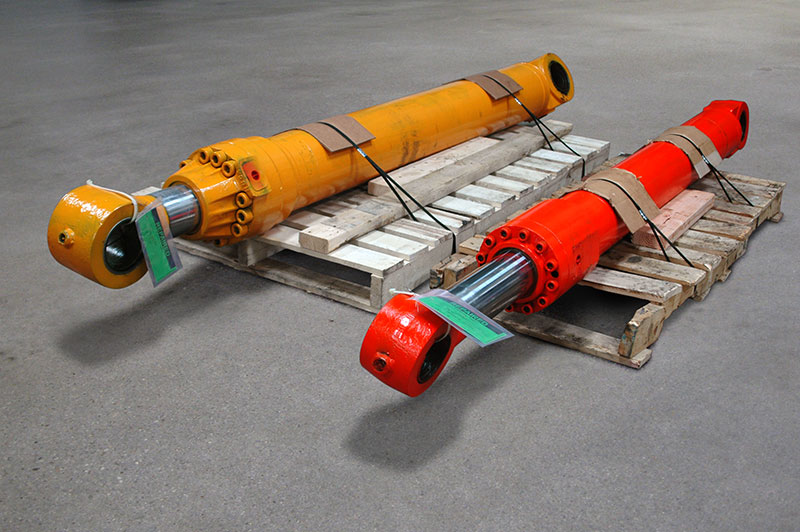
Hydraulic cylinders are essential components in many industrial and mobile equipment applications, powering machinery with precision and reliability. Over time, wear and tear can lead to leaks, reduced performance, or complete failure, disrupting operations and increasing downtime. Finding reliable hydraulic cylinder repair services nearby is crucial to minimizing costly delays and maintaining productivity. Whether you need seal replacements, rod repairs, or complete rebuilds, local specialists can diagnose issues quickly and restore your equipment to optimal condition. This article explores key considerations when searching for hydraulic cylinder repair near me, including common repair needs, service options, and tips for choosing a trusted provider in your area.
Where to Find Reliable Hydraulic Cylinder Repair Services Near You
1. Signs Your Hydraulic Cylinder Needs Repair
Identifying issues early can prevent costly downtime. Here are key indicators that your hydraulic cylinder requires professional attention:
- Fluid leaks around seals or piston rods.
- Unusual noises (knocking, squeaking) during operation.
- Reduced performance or slower movement.
- Visible piston rod damage (scratches, pitting).
- Irregular cylinder movement (jerking or drifting).
2. How to Choose the Best Hydraulic Cylinder Repair Service
Selecting the right repair provider ensures longevity for your equipment. Consider these factors:
- Certifications (ISO, OEM-trained technicians).
- On-site diagnostic capabilities for accurate assessments.
- Availability of emergency repairs to minimize downtime.
- Transparent warranty policies on parts and labor.
- Positive customer reviews and industry reputation.
3. Common Hydraulic Cylinder Repairs and Their Costs
Understanding repair types helps budget effectively. Frequent fixes include:
- Seal replacements ($150–$500, depending on cylinder size).
- Piston rod resurfacing ($200–$800 for chroming).
- Cylinder barrel honing ($300–$1,000 for major wear).
- Thread repairs ($100–$400 for damaged ports).
- Full rebuilds ($500–$3,000 for extensive damage).
4. Mobile vs. Workshop Hydraulic Cylinder Repairs
Each option suits different needs. Compare key differences:
- Mobile repairs offer faster turnaround for field equipment.
- Workshop repairs provide precision tools for complex overhauls.
- Mobile services may have higher hourly rates but save transport costs.
- Workshops enable pressure testing under controlled conditions.
- Choose based on urgency and repair complexity.
5. Preventative Maintenance Tips for Hydraulic Cylinders
Proactive care extends cylinder lifespan. Follow these practices:
- Schedule annual inspections for early problem detection.
- Use high-quality hydraulic fluid and monitor contamination levels.
- Keep rod surfaces clean to prevent seal damage.
- Check alignment during installation to avoid side loading.
- Train operators on proper usage to minimize stress.
How much does it cost to have a hydraulic cylinder repaired?
Factors Affecting Hydraulic Cylinder Repair Costs
The cost to repair a hydraulic cylinder varies based on several factors. The size and type of the cylinder play a significant role, as larger or more complex cylinders require more labor and parts. The extent of damage also impacts the price—minor leaks or seal replacements are cheaper than fixing bent rods or damaged barrels. Additionally, labor rates differ by region and repair shop, influencing the final cost.
- Size and complexity: Larger cylinders or those with custom designs cost more to repair.
- Damage severity: Minor repairs (e.g., seal replacement) range from $100–$500, while major fixes (e.g., rod or barrel damage) can exceed $1,000.
- Labor and location: Labor rates vary, with urban areas often charging higher fees.
Common Hydraulic Cylinder Repair Services and Their Costs
Repair services for hydraulic cylinders include seal replacement, rod repair, and barrel reconditioning. Seal replacement is the most affordable, typically costing $100–$300 per cylinder. Rod repair or straightening ranges from $200–$600, while barrel reconditioning or replacement can cost $500–$1,500 depending on the damage. Custom machining or welding adds to the expense.
- Seal replacement: The most common repair, addressing leaks, priced at $100–$300.
- Rod repair: Straightening or rechroming costs $200–$600.
- Barrel work: Reconditioning or replacement ranges from $500–$1,500.
DIY vs. Professional Hydraulic Cylinder Repair Costs
While DIY repairs may seem cost-effective, they often lack the precision of professional services. A DIY seal kit costs $20–$100, but improper installation can lead to further damage. Professional repairs ensure proper diagnostics and warranties, though they come at a higher price. For critical applications, professional servicing is recommended to avoid equipment failure and safety risks.
- DIY kits: Seal kits cost $20–$100, but require technical skill.
- Professional advantages: Includes diagnostics, warranties, and precision work.
- Risk assessment: DIY errors can lead to costly secondary damage.
What is the most common failure on a hydraulic cylinder?
Seal Failure in Hydraulic Cylinders
The most common failure in a hydraulic cylinder is seal failure. Over time, seals wear out due to friction, contamination, or improper installation, leading to fluid leaks and loss of pressure. Key causes include:
- Wear and tear from repeated cylinder movement.
- Contamination by dirt or debris damaging the seal material.
- Improper installation, such as misalignment or incorrect sizing.
Rod Damage and Scoring
Another frequent issue is rod damage, often caused by external forces or environmental factors. A scored or bent rod can compromise the cylinder's efficiency and lead to further failures. Common reasons include:
- Corrosion due to exposure to moisture or harsh chemicals.
- Physical impact from collisions or mishandling.
- Improper alignment causing uneven wear on the rod surface.
Internal Corrosion and Contamination
Internal corrosion and contamination significantly reduce a hydraulic cylinder's lifespan. Water or abrasive particles in the hydraulic fluid can damage internal components. Contributing factors include:
- Poor fluid maintenance, such as infrequent changes or using low-quality fluid.
- Lack of filtration, allowing particles to circulate in the system.
- Exposure to harsh environments without proper protective measures.
Is it hard to rebuild a hydraulic cylinder?
What Tools Are Needed to Rebuild a Hydraulic Cylinder?
Rebuilding a hydraulic cylinder requires specific tools to ensure precision and safety. The process involves disassembly, inspection, and reassembly, which demands both mechanical expertise and the right equipment.
- Wrenches and sockets: Necessary for loosening and tightening bolts and fittings.
- Seal picks and pliers: Used to remove and install seals without damaging them.
- Hydraulic press: Helps in pressing out pistons or rods smoothly.
What Are the Common Challenges When Rebuilding a Hydraulic Cylinder?
Rebuilding a hydraulic cylinder can present several challenges, especially for those without prior experience. Proper handling of components is crucial to avoid further damage.
- Seal damage: Incorrect removal or installation can lead to leaks.
- Corrosion: Pitted rods or barrels may require polishing or replacement.
- Alignment issues: Misaligned components can cause uneven wear or failure.
How Long Does It Take to Rebuild a Hydraulic Cylinder?
The timeframe for rebuilding a hydraulic cylinder depends on factors like cylinder size, damage level, and experience. A straightforward rebuild may take a few hours, while complex cases could extend to a full day.
- Disassembly: 1-2 hours, depending on rust or seized parts.
- Cleaning and inspection: 1-3 hours, especially if corrosion is present.
- Reassembly: 1-2 hours, ensuring seals and components are properly seated.
How do you stop a hydraulic cylinder from leaking?
Identifying the Source of the Leak
To stop a hydraulic cylinder from leaking, the first step is to identify the source of the leak. Common areas include the rod seal, piston seal, or gland seal. Inspect the cylinder for visible fluid traces or wear marks. Use a clean cloth to wipe the cylinder and observe where the leak originates. Pressure testing can also help pinpoint the exact location.
- Check the rod seal for cracks or deformation.
- Inspect the piston seal for wear or damage.
- Examine the gland area for misalignment or corrosion.
Replacing Worn or Damaged Seals
Once the leak source is identified, replacing worn or damaged seals is critical. Use high-quality replacement seals compatible with the hydraulic fluid and operating conditions. Ensure the cylinder is depressurized before disassembly. Clean all components thoroughly to prevent contamination during reassembly.
- Remove the cylinder end cap to access the seals.
- Replace the rod seal and wiper seal if necessary.
- Lubricate new seals with hydraulic fluid before installation.
Preventing Future Leaks
To prevent future leaks, maintain the hydraulic system properly. Regularly inspect seals and clean the rod to avoid contamination. Use filtered hydraulic fluid and monitor system pressure to avoid overloading the cylinder.
- Schedule routine maintenance for seal inspections.
- Keep the rod surface free of scratches and debris.
- Monitor system pressure to prevent seal blowouts.
Frequently asked questions
Where can I find reliable hydraulic cylinder repair services near me?
You can locate trusted hydraulic cylinder repair services by searching online for local repair shops, checking industrial equipment suppliers, or asking for recommendations from businesses in similar industries. Look for providers with certified technicians and positive reviews.
What are the common signs that my hydraulic cylinder needs repair?
Common indicators include leaking fluid, slow or uneven movement, unusual noises, or reduced lifting power. Addressing these issues promptly can prevent costly downtime and further damage to your equipment.
How long does hydraulic cylinder repair typically take?
Repair times vary based on the extent of damage and parts availability, but most standard repairs take 1–3 business days. Complex issues or custom parts may require additional time—always confirm timelines with your service provider.
What factors affect the cost of hydraulic cylinder repair?
Costs depend on labor rates, severity of damage, cylinder size, and whether seal kits or new components are needed. Requesting a detailed quote upfront helps avoid surprises and ensures transparent pricing.